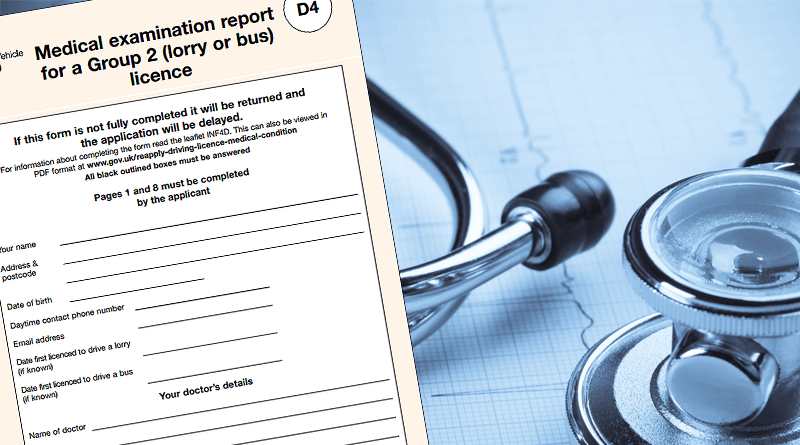
If you drive an HGV, LGV, or bus professionally in the UK, passing your DVLA D4 medical is essential for keeping your licence valid. While most drivers pass without any issues, certain medical conditions can lead to delays, further investigations, or a failed medical assessment.
Understanding the common reasons for failure can help you prepare before your appointment and avoid unnecessary problems.
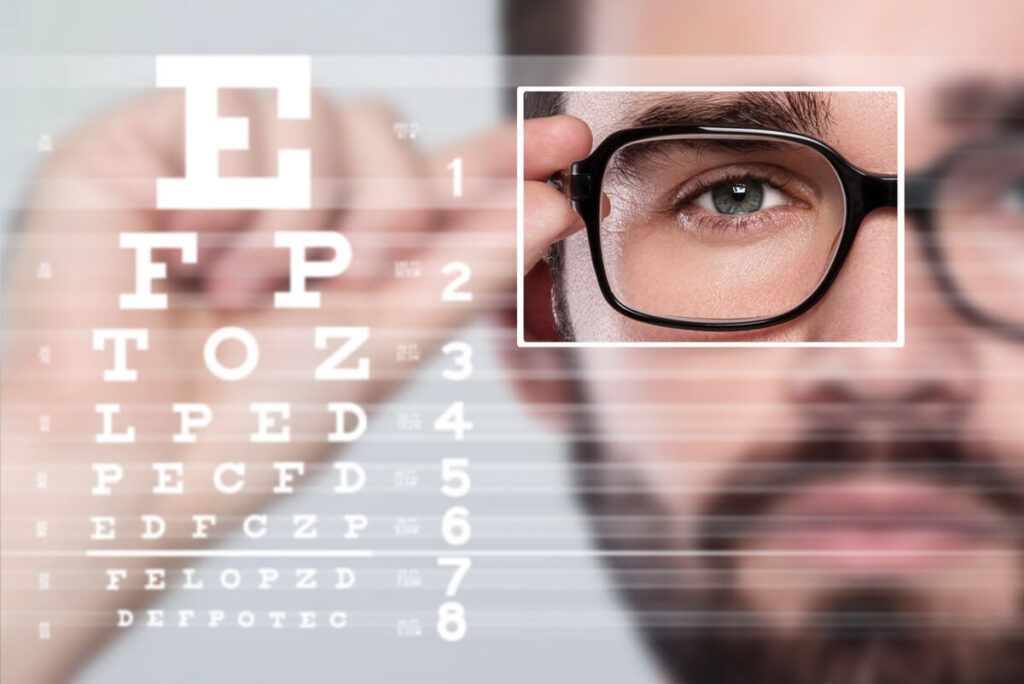
Eyesight is one of the most important parts of the HGV medical. The DVLA requires all Group 2 drivers to meet strict visual standards to ensure road safety.
Drivers must be able to read a number plate from the required distance and meet minimum visual acuity standards. If you wear glasses or contact lenses, you should bring them to your appointment. Poor eyesight, untreated vision problems, or failing the eye test can result in the medical being unsuccessful.
Many drivers choose to have an eye test with an optician before attending their HGV medical to avoid surprises.
Blood Pressure
High blood pressure is another common issue during HGV medical examinations. The doctor will check your blood pressure during the appointment to ensure it falls within DVLA guidelines.
Stress, smoking, caffeine, or lack of sleep before the appointment can temporarily increase readings. If your blood pressure is too high, the doctor may not be able to complete your D4 certificate until your readings improve.
Drivers who already take blood pressure medication should continue their treatment as prescribed and monitor their readings regularly.
Eyesight Standards
Blood Pressure
Sleep Apnea
Diabetes
Sleep Apnea
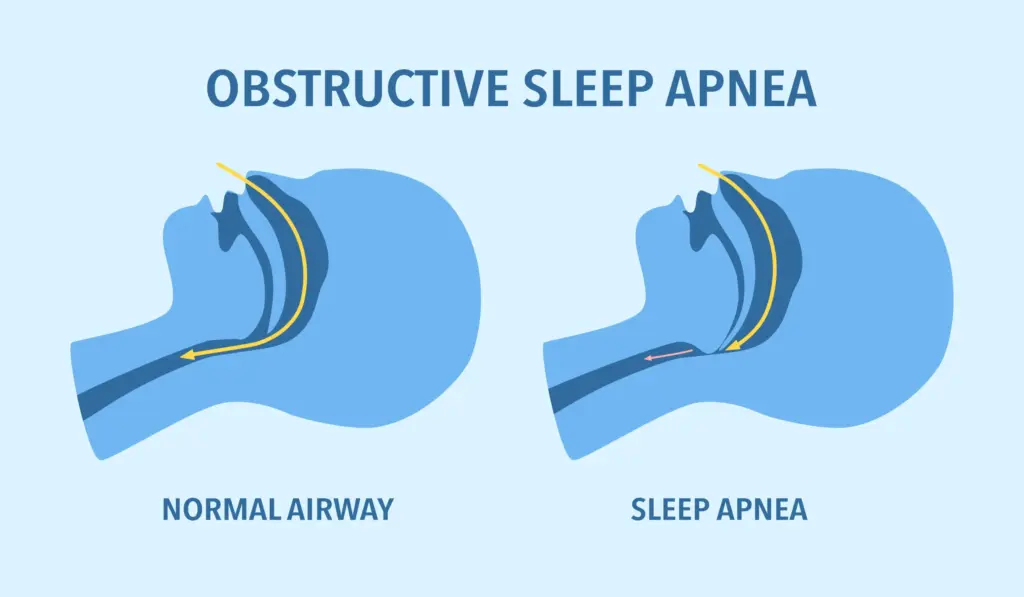
Sleep apnea is becoming increasingly recognised during HGV medicals because it can affect concentration and cause daytime tiredness while driving.
Symptoms may include:
Loud snoring
Poor sleep quality
Feeling tired during the day
Breathing interruptions during sleep
If sleep apnea is suspected or untreated, the DVLA may request further medical evidence before approving your license. However, many drivers continue driving successfully once the condition is properly managed with treatment such as CPAP therapy.
Diabetes
Diabetes does not automatically mean you will fail an HGV medical, but drivers must show that the condition is well controlled.
The doctor may ask about:
Blood sugar control
Medication or insulin use
Episodes of low blood sugar
Regular diabetic reviews
In some cases, additional reports from your GP or diabetic specialist may be required before the DVLA approves your licence renewal.
How to Improve Your Chances of Passing
To help your HGV medical go smoothly:
Bring your glasses or contact lenses
Take prescribed medication as normal
Avoid smoking or excessive caffeine before the appointment
Get enough sleep the night before
Bring any relevant medical documents
At Motor Medicals, we provide affordable DVLA D4 HGV medicals with GMC-registered doctors across the UK. We offer fast appointments, professional service, and competitive prices from just £47.
To book your HGV medical, visit Motor Medicals or call 0161 241 9622.
Book your Medical Today
Book your HGV medical today with Motor Medicals. Fast appointments, GMC-registered doctors, affordable and easy booking available online.