

Safety Critical Medical Standards for Rail, Construction & More
Safety critical medical standards are in place to ensure that workers carrying out high-risk roles are medically fit to do so safely. Different industries apply specific standards depending on the nature of the work, but the core objective remains the same: reducing the risk of accidents caused by sudden illness, impaired judgement, or physical limitations.
Understanding these standards can help workers prepare for their medical assessment and ensure they remain compliant with employer and industry requirements.
What Are Safety Critical Medical Standards?
Safety critical medical standards are health guidelines set by industry bodies and employers. They are used to assess whether a worker is physically and mentally fit to carry out tasks where alertness, judgement, and physical ability are essential.
These standards help employers meet their legal responsibilities under UK health and safety legislation. They also provide reassurance that workers are capable of performing their role without putting themselves or others in danger.

Network Rail Safety Critical Medical Standards
In the rail industry, safety critical medicals are commonly aligned with Network Rail and rail contractor requirements. These standards are among the most comprehensive, as rail environments present significant risks to workers and the public.
A Network Rail–compliant safety critical medical typically includes:
- Detailed medical history review
- Eyesight testing, including distance and near vision
- Hearing assessment
- Blood pressure and BMI checks
- Drug and alcohol screening
Construction Safety Critical Medical Standards
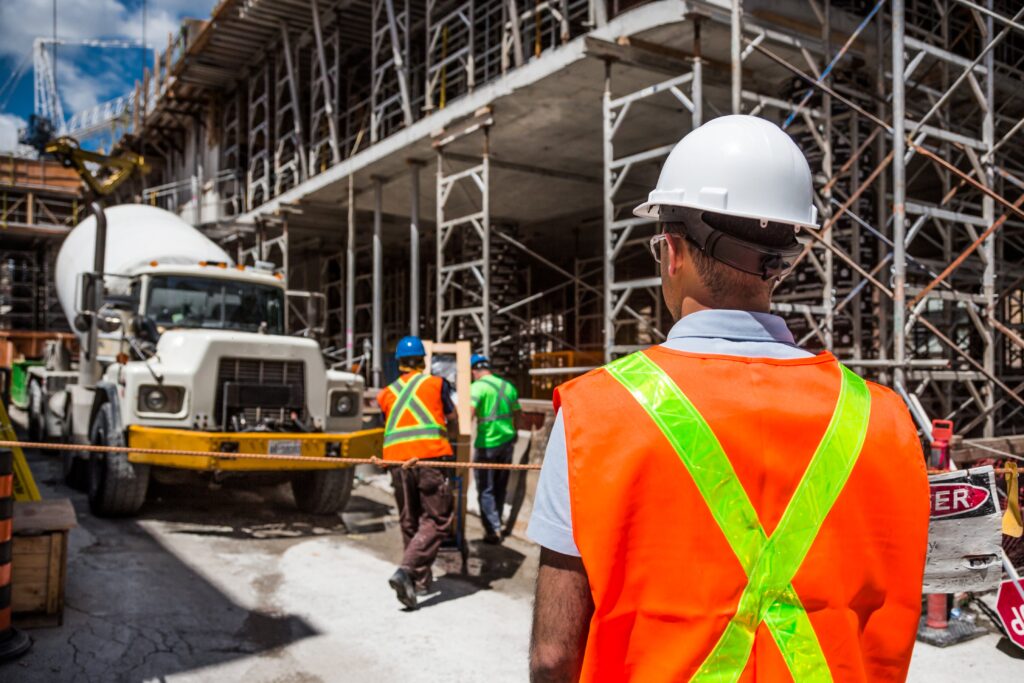
Construction safety critical medicals focus on ensuring workers can operate safely in physically demanding environments. These roles often involve working at height, operating machinery, or working around heavy equipment.
Construction medical standards generally assess:
- Overall physical fitness
- Cardiovascular health
- Vision and hearing ability
- Medical conditions that could affect balance, coordination, or alertness
While construction standards may not always be identical to rail requirements, employers still expect a thorough assessment that demonstrates the worker is fit for safety critical duties.
Other Safety-Sensitive Industries
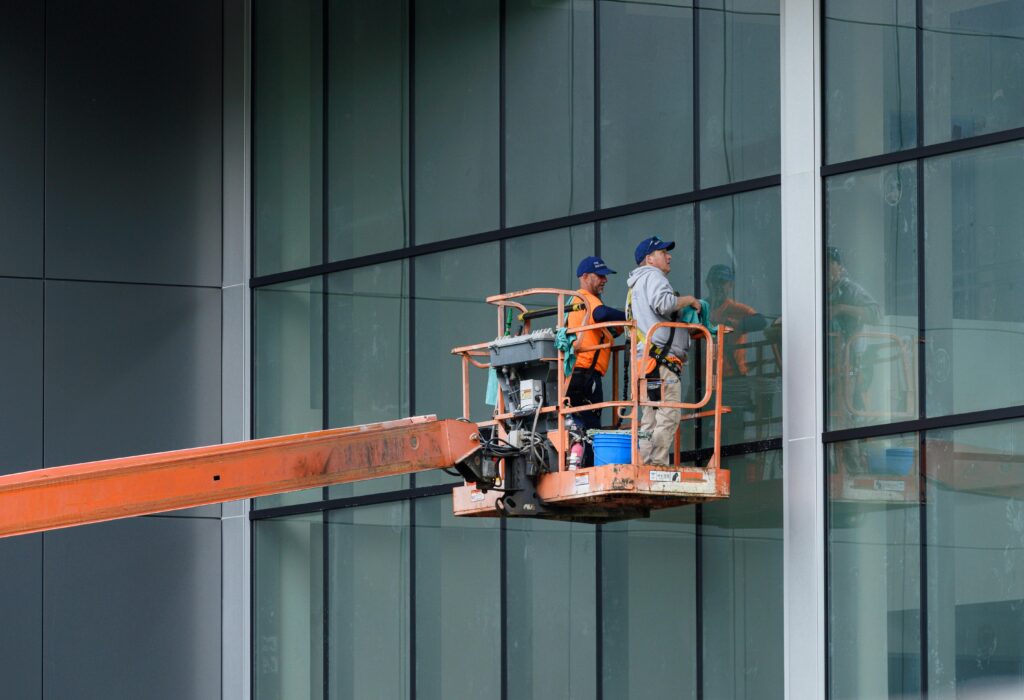
Safety critical medical standards also apply across other sectors, including:
- Utilities and energy
- Engineering and maintenance
- Transport and logistics
Each employer may apply slightly different criteria depending on the role, but the core assessments remain consistent. Workers are expected to disclose relevant medical conditions and comply with any follow-up requirements if concerns are identified.
What Employers Look For
When reviewing a safety critical medical, employers are looking for confirmation that:
- The worker meets the required medical standards
- There are no unmanaged conditions that pose a safety risk
- Any health issues are appropriately controlled
- The medical is valid and up to date
Failing to meet these standards does not always mean permanent exclusion from work. In many cases, further checks, treatment, or adjustments may allow a worker to continue safely.
How Motor Medicals Meets Industry Standards
At Motor Medicals, we understand the varying requirements across rail, construction, and other safety-sensitive industries. Our Safety Critical Medicals (£120) are carried out by experienced clinicians who assess workers in line with recognised industry expectations.
🌐 Book online: https://www.motormedicals.com
📞 Call us: 0161 241 9622
Book your Medical Today
Safety Critical Medicals for £120, delivered by experienced clinicians, with fast appointments, flexible scheduling, and clear guidance for safety-sensitive roles.